26
Oct 2026
Barcelona → Miami
Seven Seas Mariner
Regent Seven Seas Cruises
14 nights
rssc.com →
Type at least two characters
Transatlantic · Transpacific · Coastal
One-way crossings at half the usual nightly rate. Which lines sail them, when the 2026 and 2027 routes run, what they really cost once you add the flight home.
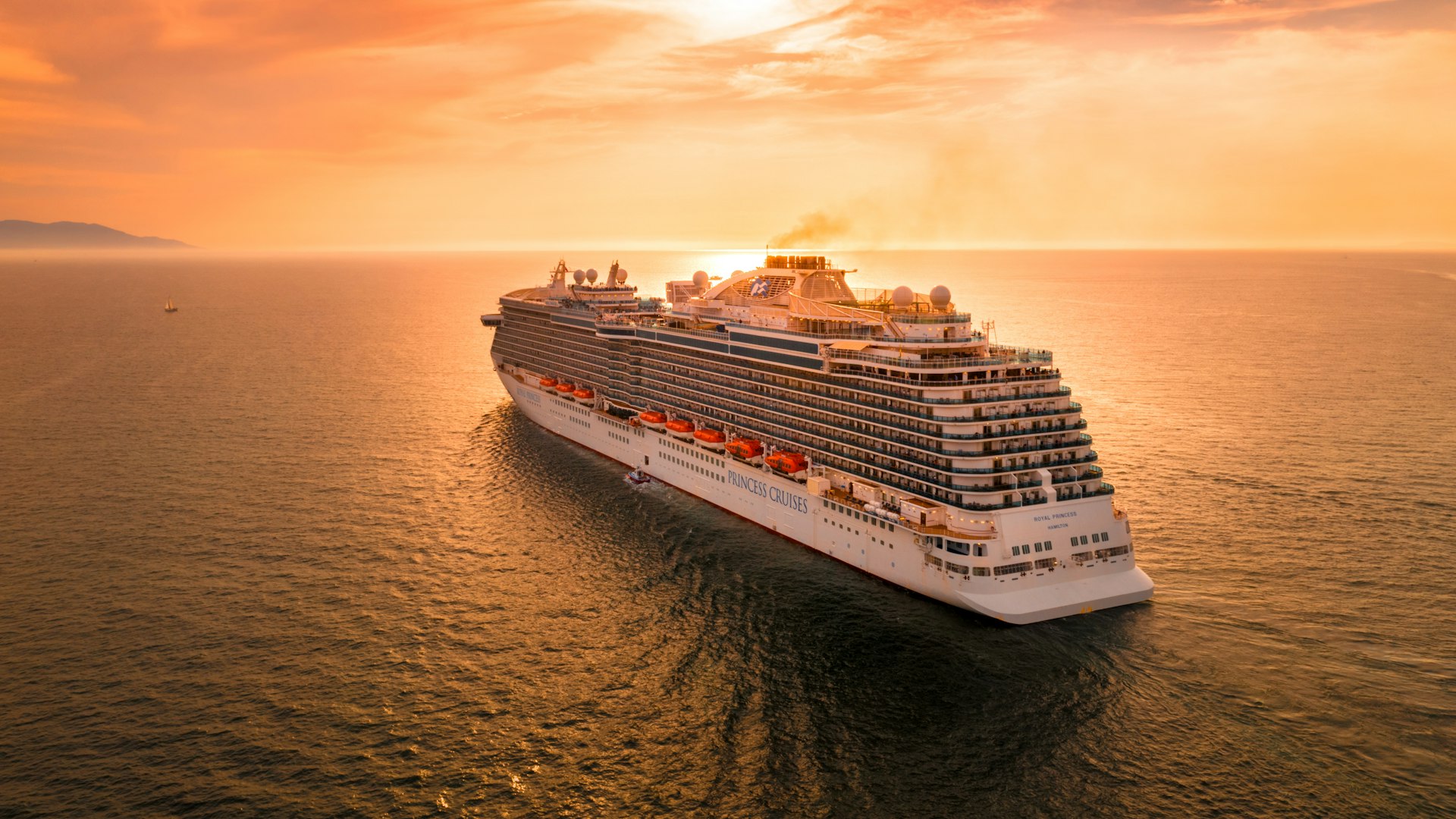
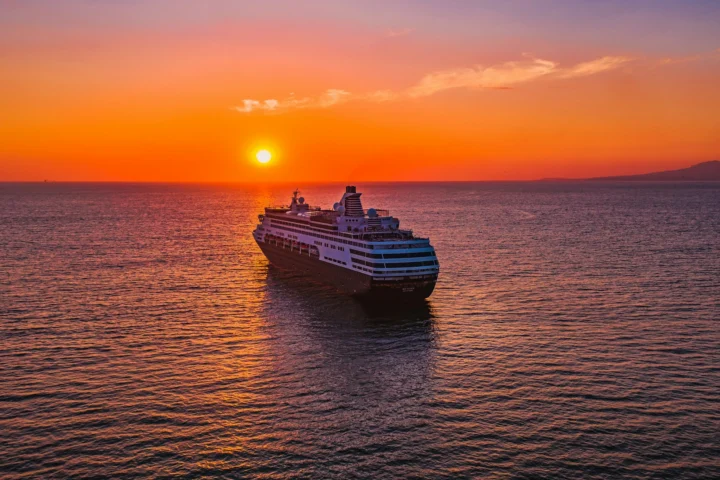
A typical spring crossing, 13 to 16 nights
The calendar
Ships follow the seasons twice a year. The crossings happen in the weeks between, and that is when the one-way fares appear.
The finder
Barcelona → Miami
Seven Seas Mariner
Regent Seven Seas Cruises
Barcelona → Port Canaveral
Norwegian Escape
Norwegian Cruise Line
New York → Miami
Oceania Vista
Oceania Cruises
Yokohama (Tokyo) → Hong Kong
Celebrity Millennium
Celebrity Cruises
Naples → Santos (São Paulo)
MSC Divina
MSC Cruises
Civitavecchia (Rome) → La Romana
MSC Opera
MSC Cruises
No sailings match these filters. Try a wider month or any cruise line.
Where the ships go, when, and for how many nights.
Routes & Ports
Our finder lists 76 one-way repositioning cruises departing between October 13 and December 31, 2026, on 12 lines, checked on the lines' own websites in late September 2026. Thirty-four cross the Atlantic from Europe, 17 move ships within Asia, Australia and the Pacific, 10 transit the Panama Canal, and the rest are coastal moves, South America voyages and Queen Mary 2 crossings. Booking now means paying in full and accepting steep cancellation charges.
Routes & Ports
Repositioning cruises in 2027 cluster in two windows. Our finder lists 422 one-way sailings departing in 2027 on 12 lines, checked on the lines' own websites in late September 2026. March to May has 163 of them, led by 87 in April, mostly Florida-to-Europe crossings, Panama Canal transits and Pacific coast runs. September to November has 156, led by 69 in October, mostly Europe back to Florida and Pacific moves.
Crossing
From
Alaska
To
California, Asia
Crossing
From
West Coast
To
Japan, Australia
Crossing
From
Los Angeles
To
Vancouver
Crossing
From
Seattle
To
Panama, Pacific
Crossing
From
Vancouver
To
California
Crossing
From
Americas
To
Europe
Crossing
From
Galveston
To
Pacific, Europe
Crossing
From
Florida
To
Europe
Crossing
From
Asia, Pacific
To
Australia
Crossing
From
Europe
To
Brazil
Crossing
From
Europe
To
Florida
Crossing
From
West Coast
To
Honolulu
Crossing
From
Florida
To
West Coast
Crossing
From
New York
To
Southampton
Line by line
Which ships each line repositions, what the sea days are like on board, and where it is worth paying more.
Before you book
The fare is only half of it. The one-way flight, the sea days and the time off decide whether a crossing is good value for you.
Most transatlantic cruises stop once or twice in mid-ocean, at the Azores (usually Ponta Delgada), Bermuda, Madeira or the Canary Islands. Summer crossings between New York and northern Europe take a northern route via Newfoundland, Greenland and Iceland. A few southern crossings call at Cape Verde, while Queen Mary 2 and some Florida to Spain sailings cross with no stop at all, spending 7 to 9 days at sea in a row.
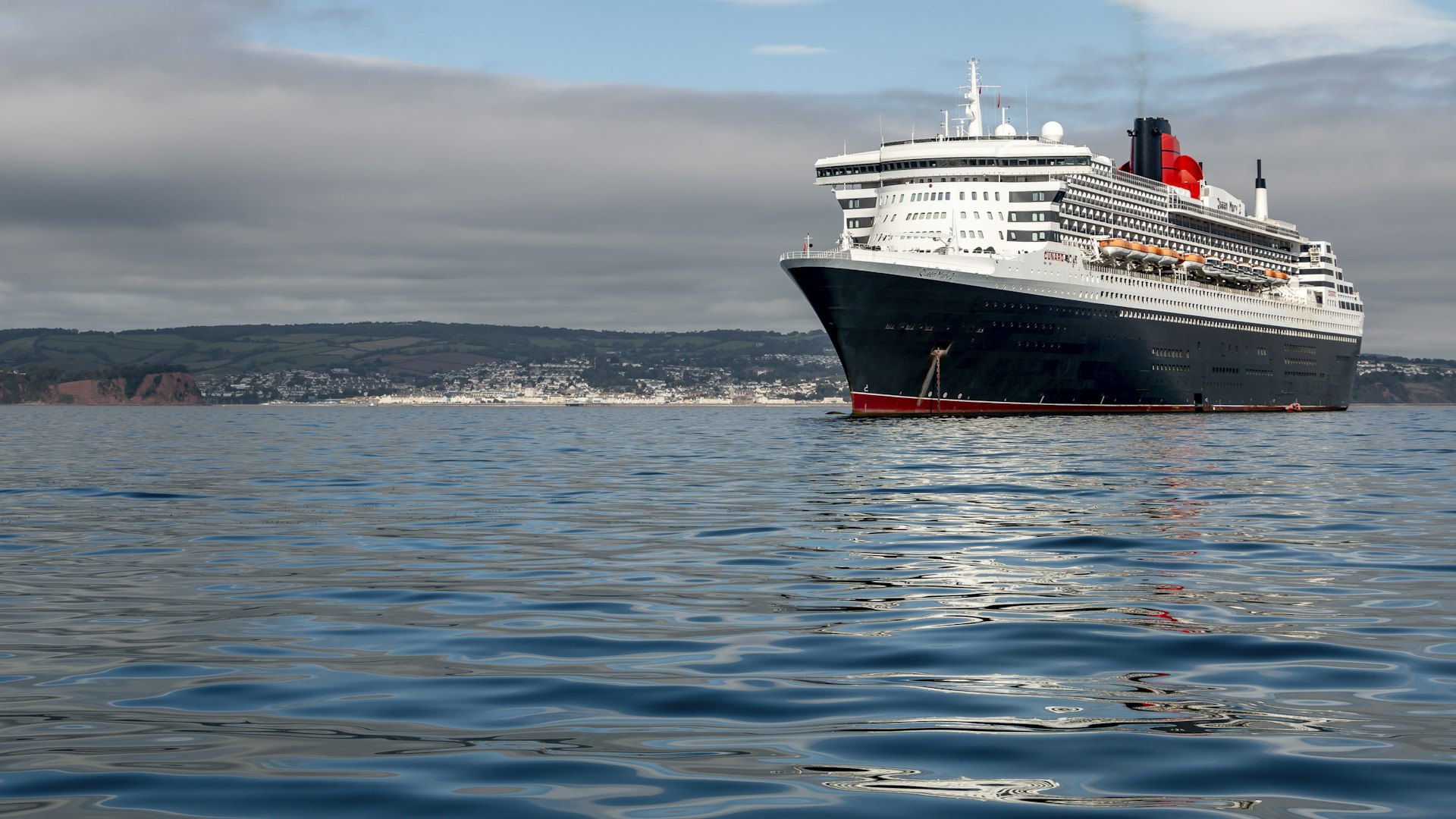
Only one ship regularly takes pet dogs and cats across the Atlantic: Cunard's Queen Mary 2, which has 24 kennels on Deck 12 and carries pets on selected crossings between New York, Southampton and Hamburg. Pets stay in the kennels for the whole voyage, with set visiting hours and no vet aboard. Royal Caribbean, Norwegian, Celebrity, Princess and Carnival accept trained service dogs only, never pets or emotional support animals.
Relocation cruises are the same thing as repositioning cruises: one-way voyages a cruise ship makes when it moves between seasonal regions, such as Florida to Europe in spring or Alaska to California in fall, sold at lower per-night fares because the ship has to sail anyway. Cruise lines say repositioning, or label them transatlantic, transpacific or crossings. Relocation is the word passengers use, not the lines.
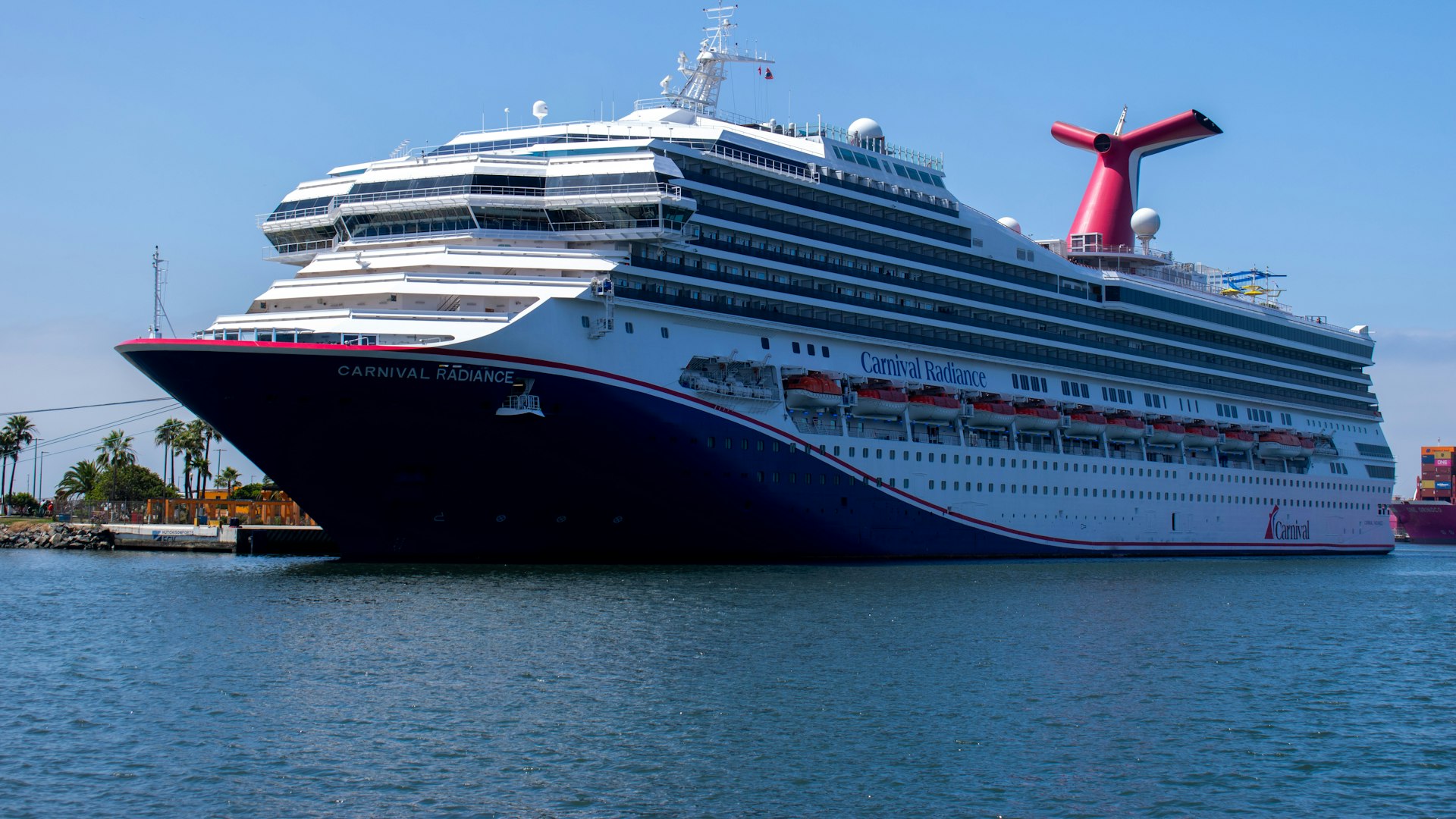
Yes, per night, usually by a quarter to a third on the same ship. In October 2026 Carnival listed a 13-night Carnival Sunshine crossing at about $54 a night including taxes, against about $75 for the same ship's Mediterranean cruise and $77 in the Caribbean. Once you add a one-way transatlantic flight, hotels and gratuities, a crossing costs roughly what a Caribbean cruise from a US port does, and far less than a European one.
Repositioning cruises are worth it if you enjoy sea days, have two weeks to spare and can book the one-way flight early. You get a long voyage for less per night than the same ship's normal cruises, and you arrive on another continent. They are not worth it if you measure a trip in ports, are prone to seasickness, need reliable internet for work, or have fixed dates and an expensive flight home.
To find cheap repositioning cruises, search by month and route rather than destination: eastbound transatlantic in April, westbound in October and November, Pacific coast runs in April, May and September. Compare MSC, Carnival and Norwegian first, take an inside or guarantee cabin on an older ship, and book the flight home at the same time. As of 2026 the lowest mainstream crossings sell for about $50 to $60 a night including taxes.
For a 12 to 16 night transatlantic cruise, pack for about eight days and plan to do laundry once. Bring layers for three climates: warm at the Florida end, cool and windy mid-ocean, and spring or autumn weather in Europe. Add one or two outfits for formal nights, a passport valid well beyond the trip, any travel authorization such as the UK ETA, medications in original containers, and seasickness remedies you have tried.
On a transatlantic cruise, the ship changes its clocks one hour at a time, usually overnight on sea days, until it matches the destination. Florida to Barcelona is six hours and New York to Southampton five. Westbound, clocks go back, giving 25-hour days. Eastbound, they go forward, giving 23-hour days. Westbound is easier on the body, and either way you arrive with little or no jet lag.
On sea days, ships run a full daily program: lectures, trivia, classes, cooking demonstrations, tastings, fitness sessions, pool time, shows and late-night music, plus the spa, casino and shops, which open at sea. Repositioning cruises add extra talks and events because they have five to nine sea days in a row. Most people do best with a loose routine: exercise, one or two scheduled activities, reading and an early dinner.
Transatlantic cruises are usually not rough, but most crossings have a day or two of noticeable motion. The southern route between Florida and the Mediterranean via the Canaries or Azores is the calmest, especially in April, May and November. The northern route between New York and Southampton is rougher, and worst from November to March. Hurricanes mainly affect fall crossings from mid-August to mid-October.
Book the flight home soon after the cruise is confirmed, as a one-way ticket or as an open-jaw (multi-city) itinerary that combines the outbound and return. On the last day, don't book a flight earlier than 4 to 7 hours after the ship's scheduled arrival, depending on the port and airport; Southampton to Heathrow and New York to JFK need the most time. Many passengers add a hotel night instead.
A repositioning cruise is a one-way voyage a ship makes when it moves between seasonal regions, such as the Caribbean to the Mediterranean in spring. Because the line has to relocate the ship anyway, these sailings are priced to fill cabins and usually cost less per night than the same ship's regular cruises. In exchange you get more sea days, fewer ports, and a flight home to book yourself.
Twice a year, cruise lines move their ships. When the Caribbean season ends in spring, dozens of ships sail east to Europe for the summer. In autumn they sail back. The same happens in the Pacific, between Alaska and Australia, and between Europe and South America. Those one-way voyages are sold to passengers as repositioning cruises, and because the ship has to make the trip anyway, they are priced to fill cabins rather than to maximize fares.
The result is the best value in cruising: often half the nightly rate of a standard itinerary, on the same ship, with the same food and the same crew. What you trade is symmetry. You end up somewhere far from where you started, with more days at sea and fewer ports, and you book your own flight home.
Repositioning cruises reward people who like being at sea. If a string of quiet days with a book, a pool and a lecture program sounds like the point of a cruise rather than the price of one, these voyages are the best deal afloat. If you measure a vacation in destinations ticked off, they are not for you: a transatlantic can run six or seven consecutive sea days.
They also suit anyone with time but not much money. Retirees, remote workers and students find that two weeks of full-board travel at repositioning prices undercuts staying home in an expensive city.
Browse by cruise line if you already have a favorite ship, or by destination if the route matters more. If you are new to this, the cost and route guides below cover what a crossing actually involves before you commit to two weeks at sea.