Are Transatlantic Cruises Rough? Weather and Seas by Month and Route
By the Repositioning Cruises editors 8 min read Updated September 2026
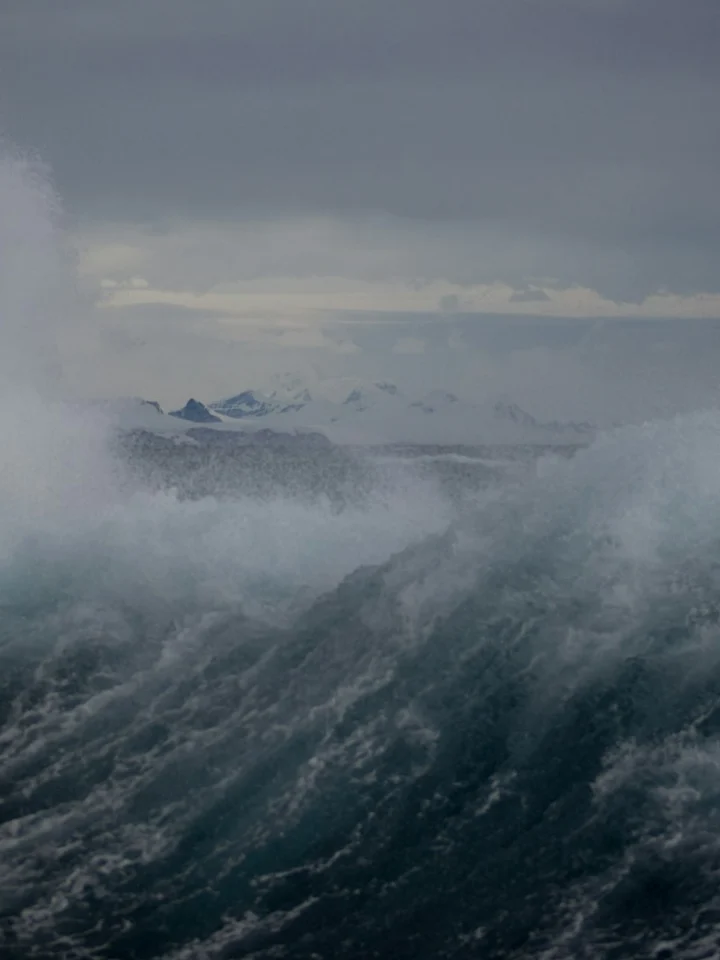
Worth knowing
- Southern routes via the Canaries or Azores are usually calmer than northern ones.
- April, May and November are typically the smoothest months on the southern route.
- Atlantic hurricane activity peaks mid-August to mid-October.
- Stabilizers reduce rolling but do little about pitching into head seas.
- A low, midship cabin moves least; the bow moves most.
- Scopolamine patches take 6 to 8 hours to start working.
Ports of call
Transatlantic cruises are usually not rough, but most crossings include at least a day or two when the ship moves enough to notice. How much depends mainly on two choices you make when booking: the route and the month. The southern route between Florida and the Mediterranean, via the Canary Islands, Madeira or the Azores, is the calmest. The northern route between New York and Southampton, or via Canada and Iceland, is more exposed and roughest from November to March.
Most repositioning crossings avoid the worst months by design. Ships cross eastbound in April and May and westbound from October to November, which misses the depth of winter. The main weather risk on fall crossings is the tail of the Atlantic hurricane season, which ships route around rather than through.
Sea conditions by month and route
This table summarizes typical conditions, not guarantees. A single weather system can make a normally calm month rough for a day, and a normally rough month can be smooth for a week.
| Months | Southern route (Florida to Canaries, Madeira, Azores, Med) | Northern route (New York or Boston to UK and Northern Europe) |
|---|---|---|
| March | Moderate; late winter swells possible in the eastern Atlantic | Often rough; winter storm season |
| April to May | Usually calm to moderate; the main eastbound season | Moderate, cool; ships stay south of the ice limits |
| June to August | Calm; few repositioning crossings; hurricane season begins | Calmest months; Queen Mary 2’s best season for smooth seas |
| September to mid-October | Peak hurricane season; reroutes and missed ports are more likely | Moderate early, rougher from October; storms passing up the US coast |
| Late October to November | Usually moderate; hurricane activity fading | Often rough; autumn gales |
| December to February | Few crossings; moderate to rough | Roughest; long, heavy swells |
The National Hurricane Center sets the Atlantic hurricane season at June 1 to November 30, with most activity between mid-August and mid-October and a peak around mid-September. Later in the season, storms tend to form in the western Caribbean, the Gulf and the western Atlantic, which is the Florida end of the crossing. That is why a late September westbound sailing is more likely to see a rerouting than a November one.
For route details, see repositioning cruises from Florida to Europe for the spring southern route, westbound transatlantic repositioning cruises for the fall, and repositioning cruises from New York and Boston for the northern route.
What “rough” actually means at sea
Forecasts at sea use the Beaufort scale, which ranks wind by force. The National Weather Service’s Beaufort table gives the wind speeds; the right-hand column is a general description of how a large cruise ship typically feels, which varies with the ship, its heading and the swell.
| Beaufort force | Wind (knots) | Name | Typical feel on a large cruise ship |
|---|---|---|---|
| 3 to 4 | 7 to 16 | Gentle to moderate breeze | Little or no motion; normal day |
| 5 | 17 to 21 | Fresh breeze | Slight motion, noticeable forward and aft |
| 6 | 22 to 27 | Strong breeze | Clear motion; some passengers feel queasy; pools may close |
| 7 | 28 to 33 | Near gale | Walking takes care; open decks may close |
| 8 to 9 | 34 to 47 | Gale to severe gale | Heavy motion; shows canceled; many passengers seasick |
| 10 and above | 48 and above | Storm | Rare on repositioning routes; ships route away when they can |
Wind is only part of it. What passengers feel most is swell, the long waves generated by distant storms, which can arrive on a sunny, calm-looking day. A ship heading into a swell pitches, rising and falling bow to stern. A swell on the side makes it roll. Most transatlantic crossings have some of each for a day or two.
What the ship does in bad weather
Modern cruise ships are built for ocean crossings, and the crew has several ways to reduce motion before passengers notice much:
- Weather routing. Ships get detailed forecasts and plan the crossing around them. Moving the route a couple of hundred miles south, or changing speed to arrive after a storm has passed, is routine.
- Stabilizers. Fins that extend from the hull reduce rolling significantly. They do little about pitching when the ship heads into the waves, which is why the bow still moves.
- Changing heading. Turning to take the swell at a better angle can make a big difference to comfort, even at the cost of a few hours.
- Skipping or swapping ports. On fall crossings, the Azores, Bermuda and Madeira are the ports most often dropped because of weather, since they sit in open ocean.
- Closing areas. Pools are drained, open decks roped off and shows moved when the motion is strong. Crew place sick bags near elevators and stairwells.
Ship design matters too. Cunard’s Queen Mary 2 is a true ocean liner with a deeper, longer hull and a sharper bow than a cruise ship, built to hold schedule on the North Atlantic. Larger cruise ships generally move less than small ones in the same sea, although very small expedition-style ships are built for rough water in other ways.
How to reduce seasickness
The CDC’s motion sickness guidance covers both prevention and medication. The main points for cruise passengers:
- Choose the right cabin. The CDC advises avoiding places such as the bow. Cruise lines and experienced passengers generally point to a cabin low in the ship and near the middle, where motion is smallest.
- Look at the horizon. Watching a fixed horizon helps the brain match what it sees with what the inner ear feels. Fresh air on an open deck helps many people.
- Avoid reading or screens when you feel the first symptoms, and keep head movements small.
- Go easy on alcohol and heavy meals, and get enough sleep. The CDC also notes that controlled breathing can help.
For medication, the CDC lists antihistamines such as meclizine, dimenhydrinate and cyclizine, and the prescription scopolamine patch. Key cautions from the same guidance:
- Timing: take medication before symptoms begin. Tablets need time to be absorbed, and a scopolamine patch takes 6 to 8 hours to start working, then lasts about 72 hours.
- Drowsiness: the antihistamines commonly cause sleepiness. Scopolamine is less sedating but more likely to cause dry mouth and eyes.
- Who should not use scopolamine: children, and people with glaucoma or at risk of urinary retention.
- Alcohol: avoid it with any of these medications.
- Ginger and wristbands: the CDC says evidence for them is weak.
Talk to a doctor or pharmacist before the trip, particularly if you take other medications. The ship’s medical center can help on board, but a consultation there is charged to your account.
What a rough day on a crossing is like
A rough day at sea is rarely frightening on a large ship. It is more often inconvenient. The motion starts as a slow lift and drop that you notice most in the theater, the gym and the forward lounges. Glasses slide on bar tops, doors swing, and the crew lays out extra handrails and sick bags. Walking the long corridors takes a wider stance. The spa and the pool deck close first, and the evening show may be replaced by a comedian or a movie, because dancers cannot perform safely on a moving stage.
Most passengers carry on as normal, with a lighter lunch. Some stay in their cabins until it passes, which is usually within 12 to 24 hours. The creaking of the ship’s structure at night surprises first-timers more than the motion does. It is normal and not a sign of anything wrong.
If you know the forecast is poor, plan the day around it: eat small meals, spend time in the middle of the ship on a low deck, and move activities you care about, such as a spa booking, to a calmer day if the ship allows it. Our guide to what to do on sea days has more on planning the days at sea.
Weather, missed ports and your booking
Weather changes on a crossing affect ports more than safety. The ports most exposed are the Atlantic islands: Bermuda, the Azores and Madeira, and to a lesser extent the Canaries. A westbound sailing in hurricane season might swap Bermuda for an extra sea day, or leave Europe a few hours early to stay ahead of a storm.
Cruise contracts give the captain the right to change the itinerary for weather, so a missed port is not normally grounds for a refund of the fare. Lines generally refund the port charges and taxes for a port they did not visit, but not the value of the stop. If you have booked a private tour in a port, choose one with a flexible cancellation policy, and consider travel insurance that covers missed connections and trip interruption.
For flights, weather can also delay arrival by a few hours. On repositioning cruises, where you fly home the same day, that is one more reason to book a later flight; see flights home after a repositioning cruise.
Who should worry and who should not
Most people who have been fine on a Caribbean cruise will be fine on a spring or November crossing via the southern route. They may have one uncomfortable afternoon. People who get sick on ferries or small boats should choose their dates and route carefully, pick a midship cabin low in the ship, and bring medication they have tried before.
If rough water is your main worry, the Pacific is not always the answer either. Our guide to transpacific repositioning cruises covers conditions there, and are repositioning cruises worth it weighs the long sea days against the price.
For the calmest crossing you can realistically book, pick a late April or May eastbound sailing, or a November westbound one, on the southern route via the Canaries or Madeira, on a large ship, in a cabin on a low deck in the middle of the ship.
Questions before booking
What is the calmest month for a transatlantic cruise?
On the southern route between Florida and Europe, late April, May and November are usually the calmest, because they fall between the North Atlantic winter storms and the peak of hurricane season. On the northern route between New York and Southampton, June through August is typically calmest. No month guarantees flat seas, and a single storm system can change conditions for a day or two.
How big are the waves on a transatlantic cruise?
On most crossings, seas are moderate, with waves of a few feet and long ocean swells. A gale can raise seas well above that, especially on the northern route in fall and winter. Large cruise ships are built for these conditions, and captains usually adjust course or speed to avoid the worst of a storm, so passengers rarely experience the most extreme forecasts.
Do cruise ships avoid storms in the Atlantic?
Yes. Ships receive detailed weather routing and will change course, slow down, speed up or swap ports to stay away from the strongest winds and waves. During hurricane season, lines regularly reroute crossings around tropical storms. Passengers may lose a port or arrive late, but the ship will avoid putting itself in the path of a major storm when there is room to move.
Is Queen Mary 2 less rough than a cruise ship?
Generally, yes. Queen Mary 2 is an ocean liner designed for the North Atlantic, with a longer, deeper hull and a stronger bow than a typical cruise ship of similar size. It handles head seas better and can hold speed through weather that slows other ships. It still moves in a big storm, but passengers who worry about seasickness often choose it for that reason.
What is the best seasickness remedy for a cruise?
The CDC lists antihistamines such as meclizine and dimenhydrinate and the prescription scopolamine patch as the main medications. They work best taken before symptoms start. Scopolamine should not be used by children or by people with glaucoma or urinary retention risk. Ask a doctor or pharmacist which option suits you, and combine it with fresh air, a view of the horizon and a midship cabin.
Further voyages

Planning & Costs
Transatlantic Cruise Packing List: Two Weeks, Two Climates, One Way
For a 12 to 16 night transatlantic cruise, pack for about eight days and plan to do laundry once. Bring layers for three climates: warm at the Florida end, cool and windy mid-ocean, and spring or autumn weather in Europe. Add one or two outfits for formal nights, a passport valid well beyond the trip, any travel authorization such as the UK ETA, medications in original containers, and seasickness remedies you have tried.
Planning & Costs
Are Repositioning Cruises Worth It? An Honest Answer
Repositioning cruises are worth it if you enjoy sea days, have two weeks to spare and can book the one-way flight early. You get a long voyage for less per night than the same ship's normal cruises, and you arrive on another continent. They are not worth it if you measure a trip in ports, are prone to seasickness, need reliable internet for work, or have fixed dates and an expensive flight home.
Planning & Costs
What to Do on Sea Days: How Long Runs at Sea Actually Feel
On sea days, ships run a full daily program: lectures, trivia, classes, cooking demonstrations, tastings, fitness sessions, pool time, shows and late-night music, plus the spa, casino and shops, which open at sea. Repositioning cruises add extra talks and events because they have five to nine sea days in a row. Most people do best with a loose routine: exercise, one or two scheduled activities, reading and an early dinner.