
Skip to content
Repositioning Cruises
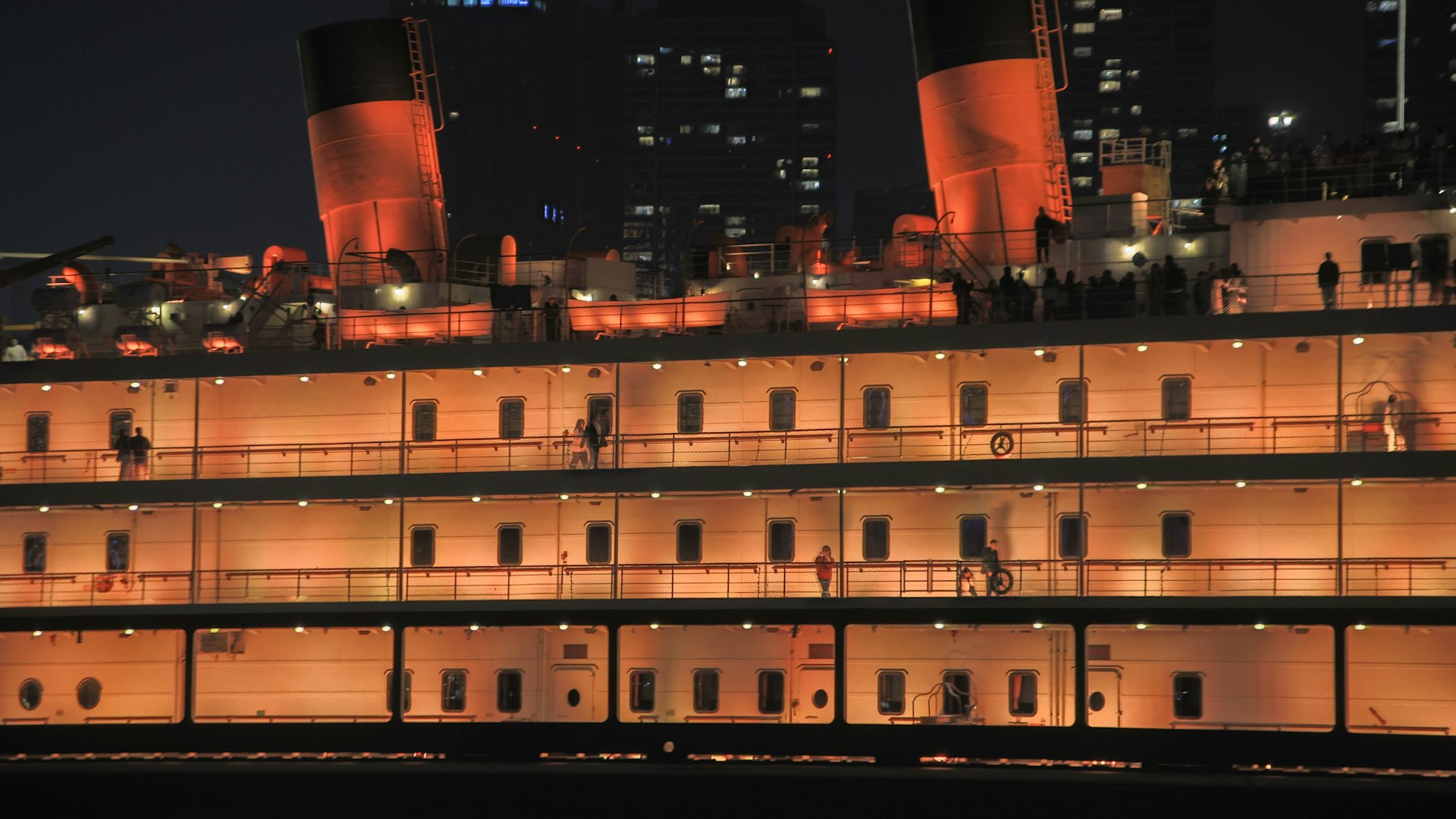
The Queen Mary ocean liner lit up at night with its red funnels

12 guides

Planning & Costs

What a repositioning cruise actually costs once the one-way flight is counted, who these voyages suit, and how to decide whether a fortnight at sea is your kind of holiday.

Harbor and town of Horta in the Azores with Pico mountain across the water

Planning & Costs

Transatlantic Cruise Stops: Where Crossings Call and How Many Sea Days Each Route Has

Most transatlantic cruises stop once or twice in mid-ocean, at the Azores (usually Ponta Delgada), Bermuda, Madeira or the Canary Islands. Summer crossings between New York and northern Europe take a northern route via Newfoundland, Greenland and Iceland. A few southern crossings call at Cape Verde, while Queen Mary 2 and some Florida to Spain sailings cross with no stop at all, spending 7 to 9 days at sea in a row.

Terrier on a leash sitting on a beach by the sea

Planning & Costs

Transatlantic Cruise With Pets: Taking a Dog or Cat Across the Atlantic by Ship

Only one ship regularly takes pet dogs and cats across the Atlantic: Cunard's Queen Mary 2, which has 24 kennels on Deck 12 and carries pets on selected crossings between New York, Southampton and Hamburg. Pets stay in the kennels for the whole voyage, with set visiting hours and no vet aboard. Royal Caribbean, Norwegian, Celebrity, Princess and Carnival accept trained service dogs only, never pets or emotional support animals.

Woman sitting on a ship deck looking out over the sea toward a coastline

Planning & Costs

Relocation Cruises: The Same Thing as Repositioning Cruises?

Relocation cruises are the same thing as repositioning cruises: one-way voyages a cruise ship makes when it moves between seasonal regions, such as Florida to Europe in spring or Alaska to California in fall, sold at lower per-night fares because the ship has to sail anyway. Cruise lines say repositioning, or label them transatlantic, transpacific or crossings. Relocation is the word passengers use, not the lines.

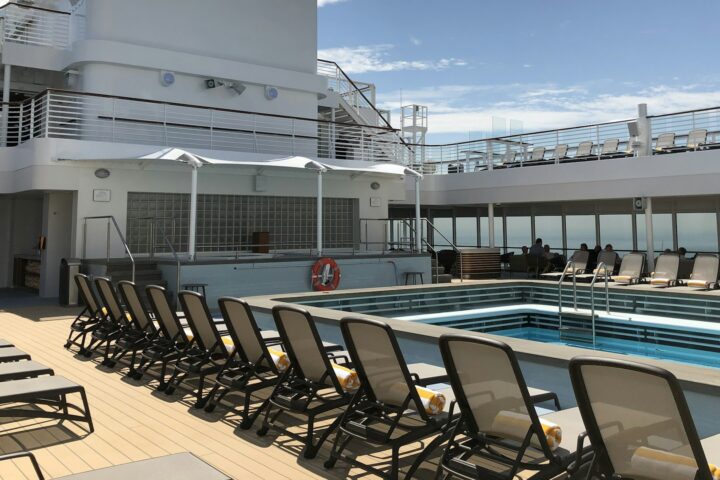
Quiet pool deck with rows of loungers on a cruise ship

Planning & Costs

Are Repositioning Cruises Cheaper? What the Numbers Actually Show

Yes, per night, usually by a quarter to a third on the same ship. In October 2026 Carnival listed a 13-night Carnival Sunshine crossing at about $54 a night including taxes, against about $75 for the same ship's Mediterranean cruise and $77 in the Caribbean. Once you add a one-way transatlantic flight, hotels and gratuities, a crossing costs roughly what a Caribbean cruise from a US port does, and far less than a European one.

Sun over the sea seen from a ship railing

Planning & Costs

Are Repositioning Cruises Worth It? An Honest Answer

Repositioning cruises are worth it if you enjoy sea days, have two weeks to spare and can book the one-way flight early. You get a long voyage for less per night than the same ship's normal cruises, and you arrive on another continent. They are not worth it if you measure a trip in ports, are prone to seasickness, need reliable internet for work, or have fixed dates and an expensive flight home.

Empty promenade deck on a cruise ship at sunset

Planning & Costs

Cheap Repositioning Cruises: How to Find the Lowest Fares

To find cheap repositioning cruises, search by month and route rather than destination: eastbound transatlantic in April, westbound in October and November, Pacific coast runs in April, May and September. Compare MSC, Carnival and Norwegian first, take an inside or guarantee cabin on an older ship, and book the flight home at the same time. As of 2026 the lowest mainstream crossings sell for about $50 to $60 a night including taxes.

Folded clothes being sorted for packing

Planning & Costs

Transatlantic Cruise Packing List: Two Weeks, Two Climates, One Way

For a 12 to 16 night transatlantic cruise, pack for about eight days and plan to do laundry once. Bring layers for three climates: warm at the Florida end, cool and windy mid-ocean, and spring or autumn weather in Europe. Add one or two outfits for formal nights, a passport valid well beyond the trip, any travel authorization such as the UK ETA, medications in original containers, and seasickness remedies you have tried.

Compass lying on an old map among autumn leaves

Planning & Costs

Transatlantic Cruise Time Changes: 23-Hour and 25-Hour Days Explained

On a transatlantic cruise, the ship changes its clocks one hour at a time, usually overnight on sea days, until it matches the destination. Florida to Barcelona is six hours and New York to Southampton five. Westbound, clocks go back, giving 25-hour days. Eastbound, they go forward, giving 23-hour days. Westbound is easier on the body, and either way you arrive with little or no jet lag.

Two deck chairs on the bow of a ship under a stormy sky

Planning & Costs

What to Do on Sea Days: How Long Runs at Sea Actually Feel

On sea days, ships run a full daily program: lectures, trivia, classes, cooking demonstrations, tastings, fitness sessions, pool time, shows and late-night music, plus the spa, casino and shops, which open at sea. Repositioning cruises add extra talks and events because they have five to nine sea days in a row. Most people do best with a loose routine: exercise, one or two scheduled activities, reading and an early dinner.

Large waves breaking beside a ship in heavy seas

Planning & Costs

Are Transatlantic Cruises Rough? Weather and Seas by Month and Route

Transatlantic cruises are usually not rough, but most crossings have a day or two of noticeable motion. The southern route between Florida and the Mediterranean via the Canaries or Azores is the calmest, especially in April, May and November. The northern route between New York and Southampton is rougher, and worst from November to March. Hurricanes mainly affect fall crossings from mid-August to mid-October.

Airplane wing seen through the cabin window at sunset

Planning & Costs

Flights Home After a Repositioning Cruise: When to Book and How Late to Fly

Book the flight home soon after the cruise is confirmed, as a one-way ticket or as an open-jaw (multi-city) itinerary that combines the outbound and return. On the last day, don't book a flight earlier than 4 to 7 hours after the ship's scheduled arrival, depending on the port and airport; Southampton to Heathrow and New York to JFK need the most time. Many passengers add a hotel night instead.

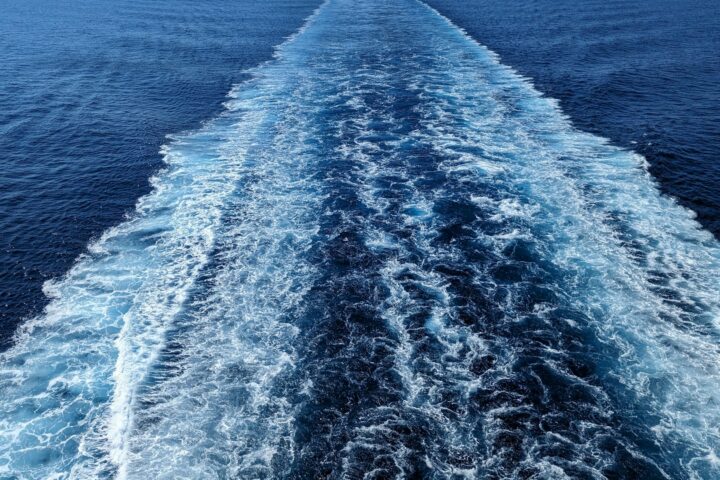
White wake trailing behind a ship on the open ocean

Planning & Costs

What Is a Repositioning Cruise? How They Work and Why They Cost Less

A repositioning cruise is a one-way voyage a ship makes when it moves between seasonal regions, such as the Caribbean to the Mediterranean in spring. Because the line has to relocate the ship anyway, these sailings are priced to fill cabins and usually cost less per night than the same ship's regular cruises. In exchange you get more sea days, fewer ports, and a flight home to book yourself.