South America Repositioning Cruises: Europe to Brazil and Buenos Aires
By the Repositioning Cruises editors 7 min read Updated September 2026
Crossing
From
Europe
To
Brazil
Worth knowing
- Europe to South America crossings sail mostly in November.
- Return crossings to Europe run in March and April.
- Typical length is 14 to 21 nights, with six to seven sea days in a row.
- MSC and Costa run the largest Brazil and Argentina seasons.
- The ship crosses the equator; the time change is only three or four hours.
- CDC recommends yellow fever vaccine for Rio de Janeiro and Sao Paulo.
Ports of call
South America repositioning cruises move ships from Europe to Brazil, Uruguay and Argentina for the southern hemisphere summer, then back again. Southbound voyages leave the western Mediterranean or Lisbon in November, call at Spanish, Portuguese or Canary Island ports, cross the Atlantic and the equator, and end in Rio de Janeiro, Santos or Buenos Aires after about 14 to 21 nights. Northbound crossings run in March and April, when the Brazilian and Argentine season ends and the ships return for the European summer.
For US travelers, these are unusual repositioning cruises. They do not start or end in the United States, the lines that run most of them sell mainly to European and South American passengers, and they need two long-haul flights. What they offer in return is a crossing that few Americans make, warm weather almost the whole way, and some of the lowest fares per night on any ocean voyage.
Why ships move to South America
Brazil, Uruguay and Argentina have a busy cruise season from December to March, their summer. The Mediterranean is quiet in those months, so European lines move ships south to follow demand. MSC Cruises and Costa have historically run the largest programs, with ships based in Santos, Rio de Janeiro and Buenos Aires sailing short cruises along the coast. Other lines send ships to South America for longer voyages around Cape Horn, to Antarctica, or up the Amazon, and some of them arrive from Europe the same way.
This is the same logic that drives every repositioning cruise: the ship has to move, and a one-way voyage sells cabins that would otherwise sail empty. Our explainer on what a repositioning cruise is covers the basics.
Southbound and northbound routes
| Route | Months | Typical length | Common ports |
|---|---|---|---|
| Genoa, Marseille or Barcelona to Santos or Rio | November | 15 to 18 nights | Málaga, Cádiz or Lisbon; Madeira or Tenerife; Salvador, Maceió or Recife |
| Lisbon or the Canaries to Brazil | November | 12 to 15 nights | Madeira, Cape Verde, northeastern Brazil |
| Barcelona or Lisbon to Buenos Aires | November | 18 to 21 nights | As above, then Rio, Santos, Montevideo |
| Santos or Rio to Europe | March to April | 15 to 18 nights | Reverse of the southbound route |
| Buenos Aires to Europe | March to April | 18 to 22 nights | Montevideo, Brazilian ports, Canaries, Spain |
The crossing from the Canary Islands to northeastern Brazil is roughly 2,800 nautical miles, which means six to seven sea days in a row. Ships that stop at Mindelo in Cape Verde shorten the open-ocean stretch to four or five days. After landfall in Recife, Maceió or Salvador, the ship works south along the coast with calls such as Ilhéus, Búzios or Ilhabela before reaching Rio and Santos.
Luxury and premium lines, including Oceania, Regent, Silversea and Holland America, sometimes run their own Europe to South America voyages on the way to a Cape Horn or Antarctica season. These are usually longer, with more ports in West Africa or the Brazilian northeast, and sold directly to US travelers.
Crossing the equator
The southbound crossing passes the equator around the fifth or sixth day at sea. Ships often mark it with a Crossing the Line ceremony, a naval tradition in which first-time crossers are initiated in front of King Neptune by the pool, usually involving fish, slime or buckets of water. It is optional for passengers and one of the more memorable days of the trip.
Weather near the equator is different from the rest of the route. Ships pass through the doldrums, a band of light winds with sudden squalls and heavy showers, which can mean a gray and humid day or two. Either side of it, the trade winds bring steady breezes and generally moderate seas. Unlike the North Atlantic, the South Atlantic part of the route has no hurricane season to plan around.
Time changes are small. Spain is four hours ahead of Rio de Janeiro in November, so the ship sets its clocks back an hour on about four nights. Arriving in Brazil or Argentina, you are only one or two hours from US Eastern time, which makes the flight home far easier than the one from Europe. See transatlantic cruise time changes for how ships handle clocks at sea.
The Brazilian coast after the crossing
The last third of a southbound voyage is often the best part. After a week at sea, the ship reaches Brazil’s northeast, where the ports are colonial cities and long beaches rather than big cruise terminals.
- Recife and Maceió: the usual first landfall. Maceió is known for its reef-sheltered beaches; Recife sits next to the colonial town of Olinda.
- Salvador: Brazil’s first capital, with the Pelourinho historic center on a hill above the port, reached by the Lacerda Elevator.
- Ilhéus, Búzios and Ilhabela: smaller stops between Salvador and Rio, often by tender.
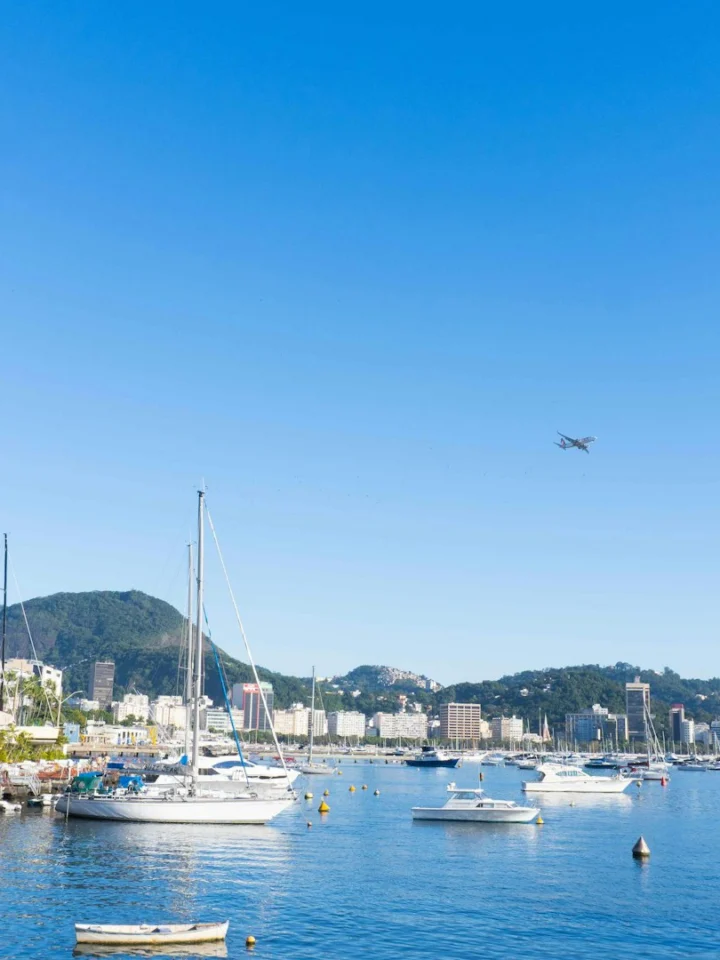
- Rio de Janeiro: the arrival by sea, past Sugarloaf Mountain into Guanabara Bay, is one of the great harbor entrances in the world, and worth being on deck early for.
- Santos: the port for São Paulo and the most common end point. It is an industrial port, often two hours or more by road from São Paulo’s main international airport at Guarulhos, depending on traffic.
- Montevideo and Buenos Aires: on the longer voyages, reached two or three days after Santos through the wide, brown estuary of the River Plate.
Northbound voyages in March and April run the same coast first, often at the tail end of Brazil’s summer, and save the long crossing for the second half. They end in the Mediterranean in spring, which makes them a good fit for travelers who want to spend time in Europe before flying home.
What these voyages are like on board
On MSC and Costa crossings, most passengers are typically European or South American. Announcements come in several languages, dinner runs later than on American-focused ships, and the entertainment is designed for an international audience. English is widely spoken by crew, and many US passengers enjoy the change, but it is worth knowing before you book. See our guide to MSC repositioning cruises for more on the line.
The long runs of sea days are the same as on any Atlantic crossing, with more sun. Our guide to what to do on sea days covers how to plan them, and the best cruise lines for repositioning cruises compares what each line offers.
Entry rules and health
- Brazil visa: Brazil reintroduced a visa requirement for US citizens in 2025, handled as an electronic visa. Confirm the current rule with a Brazilian consulate and your cruise line’s documents page when you book and again a few weeks before sailing, since the line will check it at boarding.
- Argentina and Uruguay: US citizens currently do not need a visa for short tourist visits.
- Europe: flying into the Schengen area to board, you register in the EU’s Entry/Exit System, which records fingerprints and a facial image. The European Commission says ETIAS, a separate pre-travel authorization, is scheduled for the last quarter of 2026. Check whether it has started before you fly.
- Yellow fever: the CDC’s Brazil page recommends yellow fever vaccination for travelers visiting most Brazilian states, including the cities of Rio de Janeiro and São Paulo, though Brazil does not require it for entry. Talk to a travel clinic well before departure.
- Insurance: the CDC’s cruise ship travel guidance recommends coverage that includes medical evacuation and care on board and abroad. On a voyage with a week of open ocean, that matters.
What South America repositioning cruises cost
As of 2026, MSC and Costa crossings between Europe and Brazil are commonly among the cheapest ocean voyages per night, often in the range of $50 to $90 per person per night for an inside cabin, and sometimes less when a ship is slow to sell. Premium and luxury lines on similar routes typically cost $200 to $600 per night or more, reflecting smaller ships, more inclusions and longer port lists.
The fare is the smaller part of the bill for US travelers. You need a one-way flight to Europe and a one-way flight home from São Paulo, Rio or Buenos Aires. Flights from Brazil to the US often run overnight, and prices vary widely by season and city. Price both flights before you commit. For flight strategy, see flights home after a repositioning cruise, and for fare timing, cheap repositioning cruises.
How to plan a Europe to South America crossing
- Choose the end port by the flight home. São Paulo (for Santos) and Rio have more nonstop flights to the US than most other South American cities, and Buenos Aires has several as well.
- Stay a few days at the end. Arriving in Rio or Buenos Aires in late November or early December, at the start of the southern summer, is a good time to add a hotel stay rather than rushing to the airport.
- Pack for heat. After the Mediterranean in November, the rest of the trip is warm to hot and humid. Our transatlantic cruise packing list covers what to bring for two climates.
- Book early for the popular crossings. Brazilian and Argentine travelers book these voyages as vacations in their own right, and cabins on the most convenient dates can go early.
If you are comparing this with a Florida to Europe crossing, remember that the South America route puts you in a different hemisphere at the end, so the best approach is to treat the destination city as part of the trip and plan a few days there.
From the finder
Upcoming sailings
33 one-way sailings that match this guide, checked on the cruise lines' own websites on September 29, 2026. Fares change daily, so follow the link to see today's price.
Naples → Santos (São Paulo)
MSC Divina
MSC Cruises
Southampton → Santos (São Paulo)
MSC Virtuosa
MSC Cruises
Marseille → Buenos Aires
MSC Splendida
MSC Cruises
Fort Lauderdale → Buenos Aires
Majestic Princess
Princess Cruises
Miami → Lima (Callao)
Oceania Insignia
Oceania Cruises
Fort Lauderdale → Buenos Aires
Zaandam
Holland America Line
Long Beach → San Antonio (Santiago)
Carnival Firenze
Carnival Cruise Line
Miami → Rio de Janeiro
Seven Seas Mariner
Regent Seven Seas Cruises
No sailings match these filters. Try a wider month or any cruise line.
Questions before booking
Are there cruises from Barcelona to Buenos Aires?
Yes, in some years, usually in November. They typically call in Spain, Madeira or the Canary Islands, cross the Atlantic to northeastern Brazil, and work south along the Brazilian coast before reaching Montevideo and Buenos Aires. Expect 18 to 21 nights. More sailings end in Santos or Rio de Janeiro, so Buenos Aires may mean a longer voyage or a connecting cruise.
How long does a cruise from Europe to Brazil take?
Usually 14 to 18 nights from the western Mediterranean or Lisbon to Rio de Janeiro or Santos. The Atlantic crossing itself, from the Canary Islands or Cape Verde to Recife, Maceió or Salvador, takes about six to seven days. Voyages that continue to Uruguay and Argentina add three to four more nights.
Do US citizens need a visa for a cruise to Brazil?
Brazil reintroduced a visa requirement for US citizens in 2025, handled as an electronic visa applied for online before travel. Visa rules can change, and cruise lines set their own document checks at boarding, so confirm the current requirement with a Brazilian consulate and your cruise line's documents page a few months before sailing, and apply early.
Is a transatlantic cruise to South America rough?
It is usually calmer than the North Atlantic. The route runs south through subtropical and tropical waters, away from the winter storm track. Near the equator ships pass through a zone of squalls and heavy showers, and the approach to Buenos Aires and the River Plate can be choppy. Hurricanes are not a factor on the South Atlantic part of the route.
Further voyages
Routes & Ports
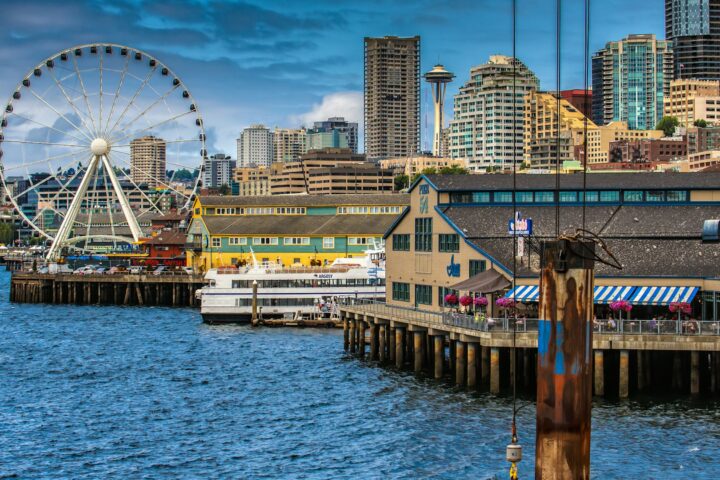
Repositioning Cruises from Seattle: Panama Canal, Japan and Australia
Repositioning cruises from Seattle are long voyages, not short coastal hops. In late September and early October, ships finishing the Alaska season leave for Florida, the Gulf or New York through the Panama Canal (16 to 22 nights), for Japan (13 to 15 nights) or for Australia (25 to 34 nights). In March and April the same routes run in reverse into Seattle.
Routes & Ports
Repositioning Cruises 2027: The Full Schedule by Month
Repositioning cruises in 2027 cluster in two windows. Our finder lists 422 one-way sailings departing in 2027 on 12 lines, checked on the lines' own websites in late September 2026. March to May has 163 of them, led by 87 in April, mostly Florida-to-Europe crossings, Panama Canal transits and Pacific coast runs. September to November has 156, led by 69 in October, mostly Europe back to Florida and Pacific moves.
Routes & Ports
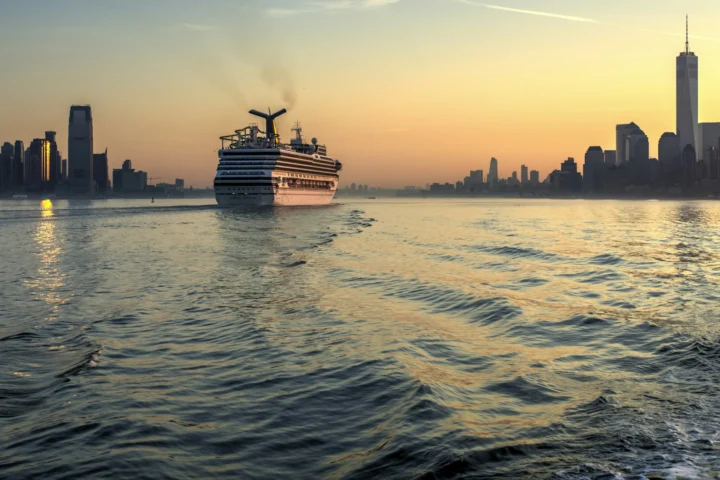
Repositioning Cruises from New York and Boston: Europe, Florida and Queen Mary 2
Repositioning cruises from New York and Boston run at the edges of the New England and Canada season. In spring and early fall, ships sail from New York or Boston to Southampton, Barcelona or other European ports in 7 to 16 nights, often via Halifax, Iceland or the Azores. In late fall, ships move south to Florida. Cunard's Queen Mary 2 is different: it crosses New York to Southampton on a schedule in seven nights.