Best Cruise Lines for Repositioning Cruises: A Line-by-Line Comparison
By the Repositioning Cruises editors 7 min read Updated September 2026
Worth knowing
- Princess, Holland America and Celebrity offer the best all-round crossings.
- MSC and Carnival usually have the lowest fares per night.
- Queen Mary 2 is an ocean liner built for the North Atlantic.
- Viking is adults only; Regent includes almost everything in the fare.
- Norwegian's freestyle dining and studio cabins suit solo travelers.
- Compare total cost, including gratuities and drinks, not headline fares.
Ports of call
- The lines compared at a glanceI
- The best all-round choices: Princess, Holland America and CelebrityII
- The cheapest crossings: MSC and CarnivalIII
- For active travelers and flexibility: Royal Caribbean and NorwegianIV
- The classic crossing: Cunard's Queen Mary 2V
- Premium, luxury and specialist linesVI
- Which line suits which travelerVII
- How to chooseVIII
The best cruise line for a repositioning cruise depends on what you want the sea days to feel like, because on a crossing the ship is the destination for a week or more. For most travelers, Princess, Holland America and Celebrity are the strongest all-round choices: steady ships, good lecture programs, quiet places to sit and fares in the mainstream range. MSC and Carnival are the cheapest per night. Cunard’s Queen Mary 2 is in a category of its own for the Atlantic, and Viking and Regent lead at the premium and luxury end.
The differences that matter on a seven-night Caribbean cruise, such as water slides or private islands, matter much less on a crossing. What matters is how the ship handles six days in a row without a port: the quality of the food, the space to get away from other people, the daytime program and the total cost of two weeks of extras.
The lines compared at a glance
Fares below are typical ranges as of 2026 for an inside or entry-level cabin, per person per night, on transatlantic and similar crossings. They vary with the ship, the date and promotions, and they do not include extras unless noted.
| Line | Sea days feel like | Typical fare per night | Best for |
|---|---|---|---|
| MSC | Big, international, lively | About $50 to $80 | Lowest price |
| Carnival | Loud, fun, casual | About $60 to $90 | Budget and families |
| Norwegian | Casual, flexible dining | About $65 to $110 | Solo travelers, no fixed schedule |
| Royal Caribbean | Activity-packed big ships | About $70 to $120 | Active travelers, families |
| Princess | Traditional, steady, many lectures | About $75 to $130 | First-time crossers |
| Celebrity | Stylish, food-focused | About $90 to $150 | Food and design lovers |
| Holland America | Quiet, classic, enrichment | About $90 to $150 | Readers, walkers, older travelers |
| Cunard | Formal ocean liner | Premium; higher than Celebrity | A classic crossing, pets |
| Disney | Family entertainment | About $150 to $220 and up | Disney fans |
| Viking | Adults only, calm, cultural | About $300 to $450 | Quiet and enrichment |
| Regent | All-inclusive luxury | Several hundred dollars and up | Experienced cruisers |
| Marella | British, all-inclusive, relaxed | Sold mainly in the UK in pounds | UK-based travelers |
The best all-round choices: Princess, Holland America and Celebrity
Princess runs a large number of long repositioning voyages in both the Atlantic and the Pacific, and its ships are built for them: plenty of lounges, a traditional dining room, a steady lecture and activity program, and self-service launderettes with irons, which matters over two weeks. The Princess onboard FAQ confirms the launderettes on its ships. It is a safe first choice for a first crossing.
Holland America is the traditional mid-size option. Its ships have wraparound promenade decks for walking, a strong enrichment program and public rooms designed for sitting and reading. The atmosphere is quiet and the passengers are mostly older. For readers and walkers, few mainstream ships are better at sea.
Celebrity has the best food and design in the mainstream tier. Crossings usually run 13 to 16 nights on the southern route. It has two Evening Chic dress-up nights on voyages of seven nights or longer, according to the Celebrity dress code FAQ, with smart casual acceptable otherwise. Promotional fares that bundle drinks, internet and gratuities are worth more on a crossing than on a short cruise.
The cheapest crossings: MSC and Carnival
MSC usually has the lowest fares per night on Atlantic crossings and moves a large fleet between Europe, the Caribbean and South America. Ships are big and international, with announcements in several languages. The Yacht Club, a ship-within-a-ship with its own restaurant, pool and lounge on many MSC ships, is better value on a two-week crossing than on a short cruise, because you use it every day.
Carnival sits alongside MSC at the budget end. Its transatlantic crossings depend on how many ships it sends to Europe each year, and its Pacific coast repositioning runs are more reliable. Expect a lively, casual ship with good comedy clubs and more families than on other crossings. Budget for gratuities, drinks and extras, which add up over two weeks.
For active travelers and flexibility: Royal Caribbean and Norwegian
Royal Caribbean moves many of its biggest ships across the Atlantic and the Pacific, and those ships have more to do on a sea day than any other line: surf simulators, climbing walls, ice rinks, big production shows. Its dress code FAQ says a sailing can have one to three Dress Your Best nights at the ship’s discretion. The trade-off is crowds on the pool deck and a fare that includes less than the premium lines.
Norwegian is the most flexible. Freestyle dining means no fixed table or time, which matters more over 14 nights than 7. Many ships have studio cabins for solo travelers with a shared lounge, removing the single supplement. There are no required formal nights.
The classic crossing: Cunard’s Queen Mary 2
Cunard is different from every other line on this list. Queen Mary 2 is an ocean liner, built with a deeper, longer hull for the North Atlantic, and it runs seven-night crossings between New York and Southampton as a scheduled service. It is not repositioning and is not priced like it. What you get is the most traditional crossing available: Gala Evenings, a ballroom, afternoon tea, a planetarium and lectures.
It is also the only way to take a pet across the Atlantic by sea. Queen Mary 2 has 24 kennels for dogs and cats, with a kennel master and an owners’ lounge. Cunard’s other ships, Queen Victoria, Queen Elizabeth and Queen Anne, run genuine repositioning voyages that are often better value per night.
Premium, luxury and specialist lines
Viking is adults only, with no passengers under 18, and its ocean ships carry under 1,000 guests. Sea days are quiet and built around lectures, a library and a spa. Fares are well above the mainstream: its 23-day North Pacific Passage from Tokyo to Vancouver was listed from $7,299 per person for 2027, a little over $300 a night, with one shore excursion in each port and beer and wine with meals included.
Regent includes almost everything in the fare: drinks, specialty restaurants, gratuities and most excursions. Crossings run several hundred dollars per person per night. It suits cruisers who already know they like sea days.
Disney runs few repositioning cruises, mainly when a ship moves to or from Europe or the West Coast. The shows and family programming are excellent over a long voyage, but fares are high and sell out early.
Marella, the British line owned by TUI, sells repositioning crossings mainly to UK passengers, with tips and drinks usually included. It is rarely the right choice for US travelers, but it is worth knowing if you are starting from the UK.
Oceania, Silversea, Seabourn and Virgin Voyages also run crossings. Virgin Voyages is adults only and builds gratuities into the fare; Oceania is known for its food.
Which line suits which traveler
- First crossing: Princess, Holland America or Celebrity. Mid-priced, steady, with enough to do and enough quiet.
- Lowest total price: MSC or Carnival, with a strict budget for extras. The fare is low, the bar tab can be high.
- Solo travelers: Norwegian for studio cabins; Cunard and some Celebrity and Royal Caribbean ships also have single cabins.
- Families: Royal Caribbean, Carnival, MSC or Disney. On most other lines there are few children on crossings and little for them to do.
- Older travelers who want quiet: Holland America, Cunard or Viking. Wide promenades, lectures and fewer late-night crowds.
- Food first: Celebrity in the mainstream tier; Oceania and Regent above it.
- Worried about rough seas: Queen Mary 2 on the Atlantic, or a large, modern ship on a southern route in spring or November.
- Traveling with a dog or cat: Queen Mary 2 is the only option across the Atlantic.
- Adults only: Viking or Virgin Voyages.
The same line can feel very different on different ships. A new mega-ship and a 20-year-old mid-size ship from the same brand have little in common on a sea day, so read about the specific ship as well as the line. For the fare side of the decision, see cheap repositioning cruises.
How to choose
- Decide what the sea days are for. Rest and reading point to Holland America, Viking or Princess. Activity points to Royal Caribbean or Carnival.
- Compare total cost, not the headline fare. Add gratuities, drinks, internet and specialty dining. On a 14-night crossing, a mainstream fare plus extras can come close to a premium fare that includes them. Our sister site explains how cruise gratuities add up.
- Check ship size and age. Larger ships generally move less in a swell. Older mid-size ships often have better walking decks and quieter lounges.
- Look at the route. A southern route via the Azores or Canaries is calmer than a northern one, which may matter more than the line. See are transatlantic cruises rough.
- Price the flight home at the same time. See flights home after a repositioning cruise.
For a first crossing, a Princess, Holland America or Celebrity ship on a spring or November southern route is the lowest-risk choice. If you enjoy it, the next step up is Queen Mary 2 for the tradition, or a longer Pacific crossing for the sea days.
Questions before booking
Which cruise lines do transatlantic crossings?
Most major lines cross the Atlantic at least twice a year when ships move between Europe and the Americas. They include Royal Caribbean, Norwegian, MSC, Celebrity, Princess, Holland America, Carnival, Virgin Voyages, Oceania, Regent, Silversea, Seabourn and Viking. Cunard's Queen Mary 2 is the only ship running scheduled transatlantic crossings between New York and Southampton through most of the year.
What is the best cruise line for a transatlantic crossing?
It depends on what you want from the sea days. Cunard's Queen Mary 2 is best for a traditional, formal crossing on a ship built for the North Atlantic. Holland America and Princess are strong mainstream choices with good lectures and quiet spaces. Celebrity has the best food in the mainstream tier. MSC and Carnival are best if the lowest fare matters most.
Which cruise line is cheapest for repositioning cruises?
MSC usually posts the lowest fares per night on Atlantic crossings, often followed by Carnival and Costa. As of 2026, inside cabins on these lines commonly sell for about $50 to $90 per person per night on crossings. The final cost depends on extras: gratuities, drinks, internet and specialty dining can add a large share on a 14-night voyage.
Which cruise lines are best for solo travelers on a repositioning cruise?
Norwegian is the strongest choice, because many of its ships have studio cabins designed for one person, with a shared lounge, which avoids paying a double fare. Some Royal Caribbean, Celebrity and Cunard ships also have single cabins. On other lines, solo travelers usually pay a supplement, so watch for promotions that reduce it on less popular crossings.
Are repositioning cruises on luxury lines worth it?
They can be for experienced cruisers who know they enjoy sea days. Regent, Silversea, Seabourn and Oceania include much more in the fare, and the ships are small and quiet. But they cost several times more per night than mainstream crossings, so a luxury line is an expensive way to find out you dislike a week at sea.
Further voyages
Cruise Lines
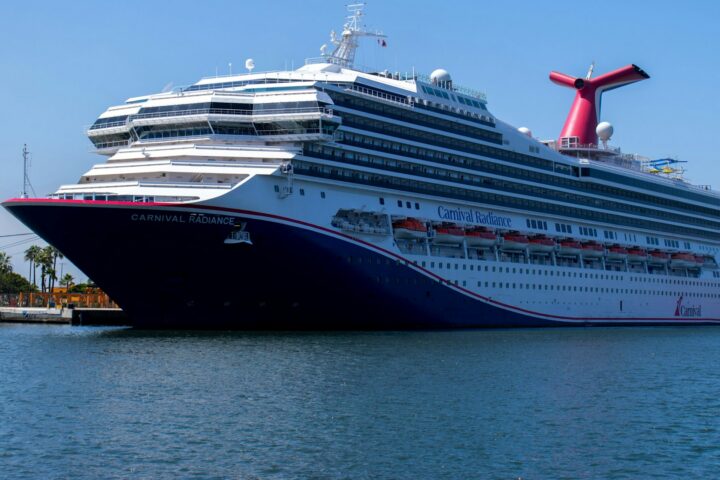
Carnival Repositioning Cruises: Gulf Coast Canal Runs, 2027 Europe Crossings and Australia
Carnival repositioning cruises are a small, unusual program: our finder lists 26 one-way Carnival sailings from October 2026 to December 2027, checked on carnival.com. The standouts are 16-night Panama Canal runs between Seattle and Gulf Coast ports such as Mobile and Galveston, five transatlantic crossings tied to a 2027 Europe season, South America on Carnival Firenze, and moves around Australia and Asia.
Cruise Lines
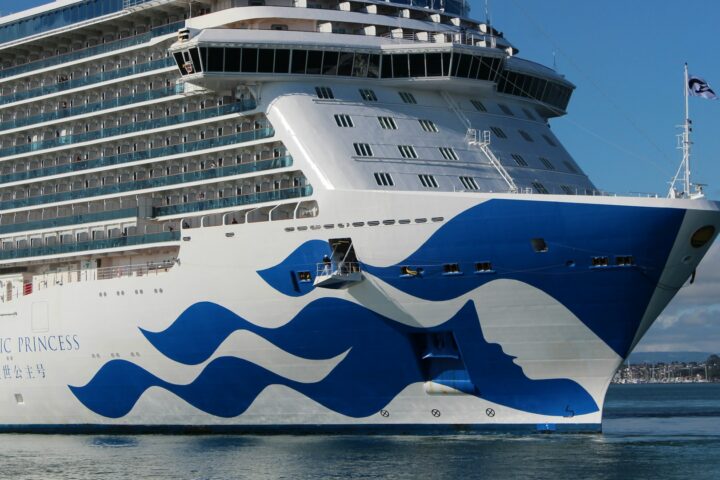
Princess Repositioning Cruises 2026-2027: Panama Canal, Pacific and Atlantic Routes
Princess repositioning cruises make up the largest program of any line in our finder: 77 one-way sailings from October 2026 to December 2027, checked on princess.com. Most are 15- to 18-night Panama Canal voyages between Fort Lauderdale and Los Angeles, followed by Pacific coast runs, Asia moves, transatlantic crossings and 19- to 50-night transpacific voyages between Los Angeles and Sydney.

Cruise Lines
MSC Repositioning Cruises: Grand Voyages From Europe to the US, Caribbean and Brazil
MSC repositioning cruises are sold as Grand Voyages, one-way sailings that run 8 to 31 nights in our data and mostly start in Europe. Our finder lists 32 MSC sailings from October 2026 to December 2027, checked on msccruisesusa.com: 13 link the Mediterranean with Brazil or Argentina, 7 cross between Europe and Florida or the Caribbean. In October 2026, a 14-night crossing listed from $526 per person, taxes included.